Customer Restoration
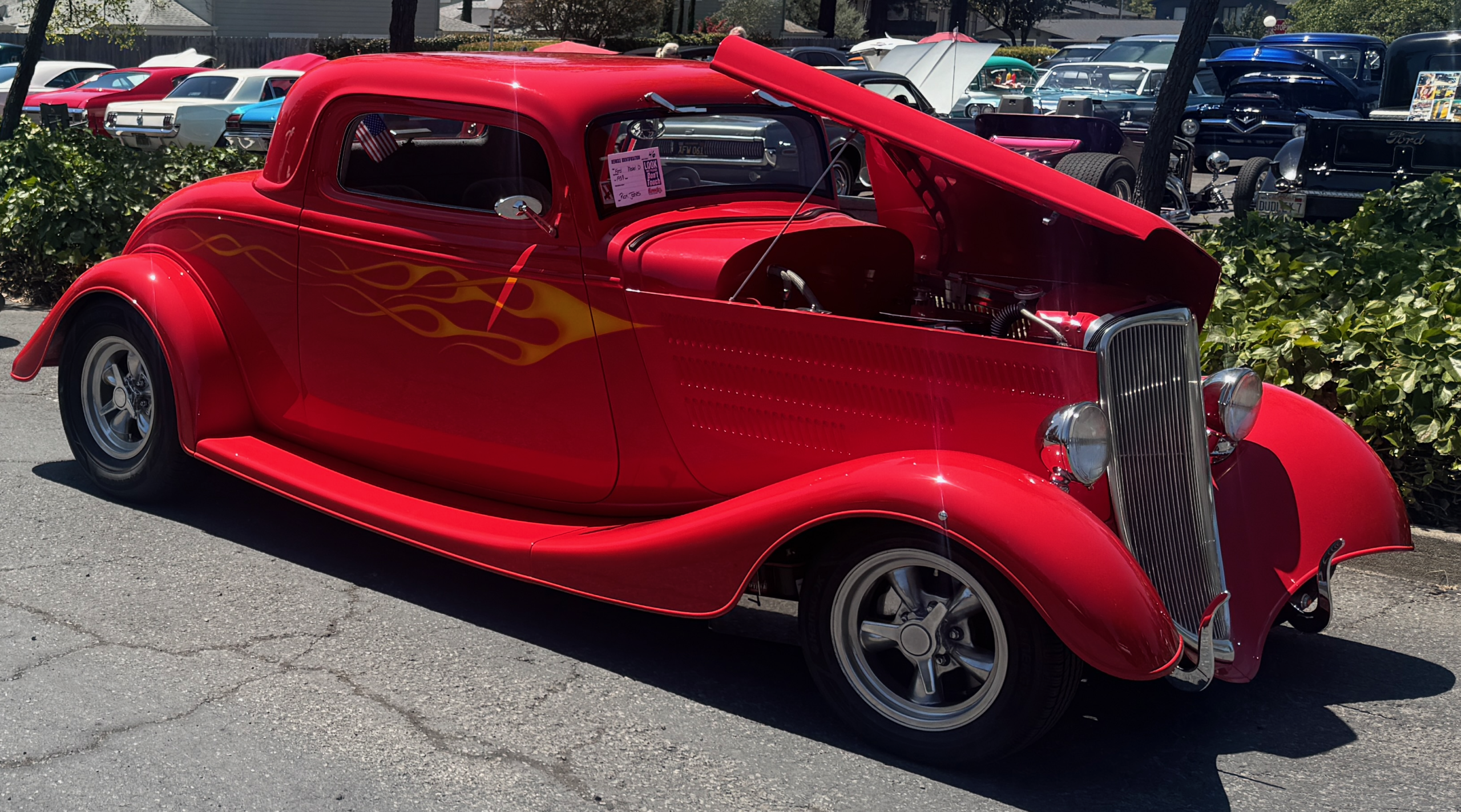
1933 Ford Roadster “Gold Digger”
Scope of Work
Initially, this car came to me with several relatively straightforward concerns: leaking valve covers, a faulty power window motor, intermittent power door locks, a rough idle, and a request for a higher-CCA battery. What began as a focused list of repairs quickly developed into a much more comprehensive project as we worked through the vehicle from top to bottom to assess its overall condition. The car had been built many years earlier, and as we looked deeper, it became clear that several systems would benefit from attention and updating.
During the inspection, I found evidence of multiple previous wiring jobs, an improperly routed main power wire to the fuse panel, and an alternator that was inadequate for the vehicle’s electrical demands. With electric power steering, radiator and transmission cooling fans, and other modern accessories, the charging system needed to be capable of reliably supporting a significant electrical load. All battery and ground cables were upgraded as well, providing the capacity and solid electrical foundation these systems required.
Ultimately, there isn’t much on this vehicle that hasn’t been inspected, repaired, corrected, or upgraded. What started as a handful of individual repairs became a comprehensive effort to improve the car’s reliability, performance, and drivability. The result is a vehicle that is now running and performing better than it did when the current owner originally purchased it.
Body & Paint
The body and paint on this car were already immaculate, so no cosmetic restoration was necessary. Instead, attention was focused on properly tightening and securing body and panel fasteners throughout the vehicle to eliminate squeaks, rattles, and other unwanted noises. Sound-deadening material was also added to multiple body panels to further reduce vibration and road noise, resulting in a noticeably quieter and more refined driving experience.
Mechanical
To address the vehicle’s electrical demands, a larger Optima battery was installed along with a drop-down battery box to properly accommodate the increased battery size. New 1/0-gauge battery cables were added to safely handle the current requirements of the new high-output alternator and provide a stronger foundation for the electrical system.
The carburetor was leaking and required a complete rebuild, which also provided the opportunity to identify and eliminate existing vacuum leaks. During the tuning process, I discovered that the ignition timing was significantly off and that the distributor had been installed in a position that prevented proper timing adjustment. The distributor was corrected and the engine properly timed.
Valve cover leaks were repaired, and a malfunctioning thermostat switch controlling the electric cooling fans was replaced. A complete ignition tune-up was also performed, including a new distributor cap, rotor, coil, and ignition module.
The fuel system was upgraded with a new electric fuel pump along with pre- and post-pump fuel filters to improve reliability and provide additional protection for the fuel system.
Finally, the doors had begun to sag due to wear in the custom hidden hinges. New replacement hinges were sourced and installed, restoring proper door alignment, operation, and fit.
Electrical
With the new high-output alternator, larger battery, and properly sized battery cables installed, attention turned to the rest of the electrical system. Loose connectors, corroded grounds, and undersized body grounds were identified and corrected to ensure the upgraded charging system had a solid and reliable electrical foundation.
The power door locks had been intermittently actuating while driving over bumps. After troubleshooting the system, the original ground block beneath the dash was found to have worked itself loose and was causing the problem. A new ground distribution block was installed, and the associated wiring was properly terminated, secured, and sealed.
A faulty headlight switch was also replaced, which corrected an issue with the dash lighting. New door pin switches were installed to resolve additional electrical problems within the doors and improve the overall reliability of the system.
Chassis / Suspension / Brakes
After tightening and securing all body and panel fasteners, we turned our attention to the rear suspension. Inspection revealed significant wear, making replacement of the rear coilovers necessary, along with new sway bar bushings and arms. These upgrades corrected the rear suspension’s tendency to bottom out over bumps while significantly improving ride quality, stability, and overall handling.
Interior
Most of the interior work focused on correcting electrical issues and properly re-terminating loose or faulty wiring. The door-lock release system had also failed, requiring the installation of new billet armrests and updated release hardware.
Because the new armrests relocated the door-release mechanism, new mounting holes had to be carefully positioned and cut, and the remote release cables were modified to accommodate the new location. The existing custom door panels also required additional fabrication and modification to properly integrate the new hardware while maintaining a clean, finished appearance.
Sound-deadening material was installed inside the door cavities during the process, significantly reducing vibration and exterior noise and creating a noticeably quieter, more refined cabin.
Preservation / Detailing
The engine bay and interior billet trim were thoroughly cleaned and polished to restore their finish and bring back their original luster. The wheels had developed spotting and embedded stains that normal cleaning could not remove, so they were deep-cleaned and carefully polished. The process dramatically improved their appearance and helped bring the overall presentation of the car back to the level of the rest of the build.